MP Biogas Plants: 8 Cities To Develop 1,100-Tonne CBG Facilities Under Swachh Bharat Mission

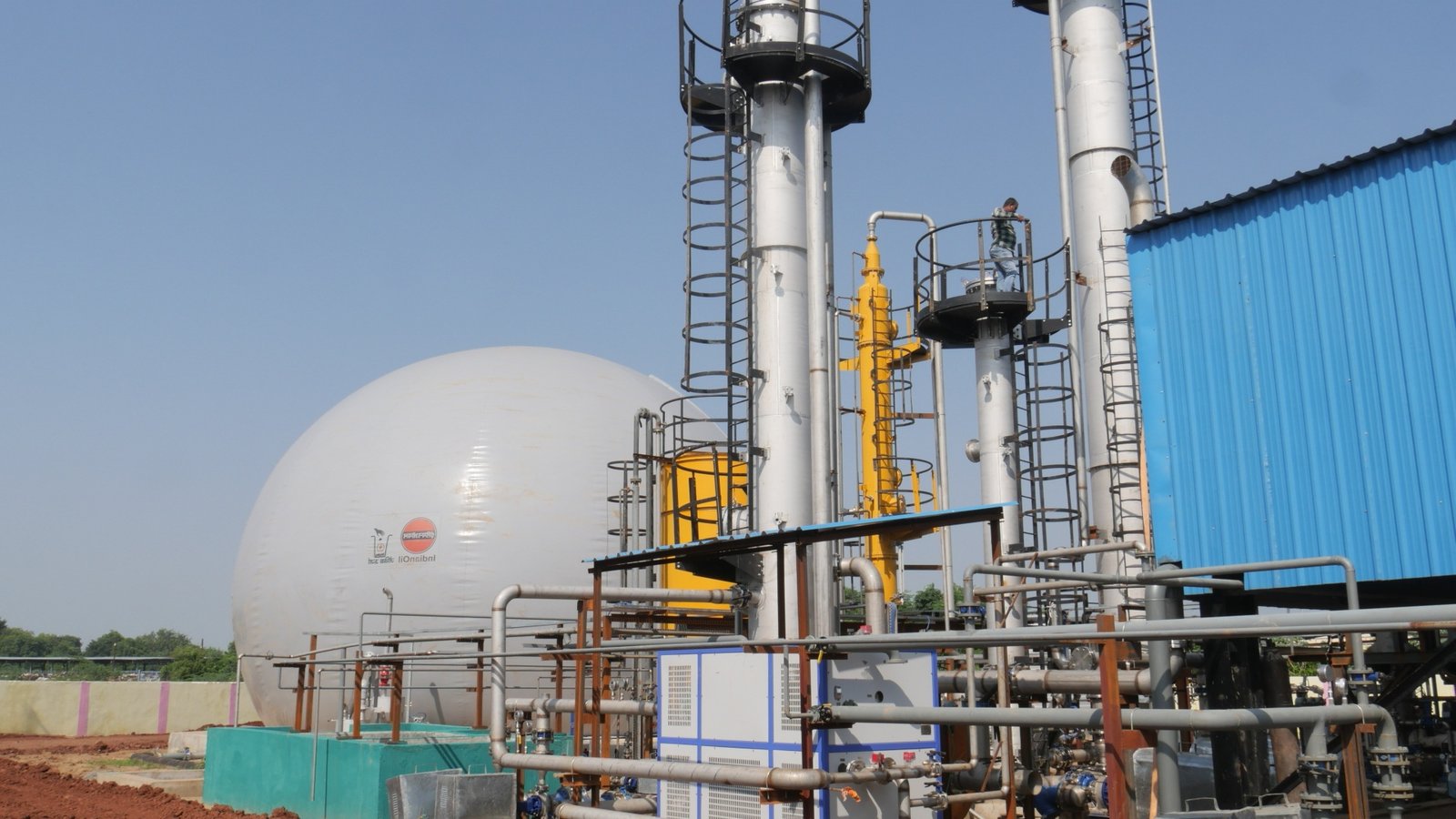
The development of MP biogas plants under the Swachh Bharat Mission marks a significant step toward sustainable waste management in Madhya Pradesh. As part of the project, eight major cities will establish Compressed Bio Gas (CBG) facilities with a combined processing capacity of 1,100 tonnes per day. These plants will convert organic waste into Bio-CNG and organic manure, promoting cleaner fuel alternatives and environmentally responsible practices.
Project Objective
According to the Urban Administration Department (UAD), the primary goal is to reduce issues caused by improper organic waste disposal, such as groundwater contamination, foul odour, and air pollution. The initiative supports a decentralized waste management structure, enhancing both efficiency and sustainability.
Cluster-Based Waste Collection
Approximately 15 smaller cities will be linked to the eight plant locations. These satellite towns will channel domestic, commercial, and market-generated organic waste to their designated cluster city. For example, Harsud and Mundi have been connected to the Khandwa cluster for daily waste transport and processing.
Sustainable Fuel & Organic Manure
The waste-to-energy process involves converting organic waste into biogas, which is then purified and compressed to produce CBG, a cleaner and renewable fuel alternative to petrol and diesel. The process also yields nutrient-rich digestate used as organic fertilizer, supporting eco-friendly agricultural practices and reducing chemical fertilizer dependency.
Project Cost & Funding
The estimated project cost stands at ₹236 crore. Funding will be shared by:
-
Central Government: 50% under the Gobardhan Bio-CNG initiative
-
State Government
-
Urban Local Bodies, depending on financial capacity
Selection of Cities & Capacity
Cities were selected based on waste availability, segregation system performance, transport feasibility, and plant viability. Key capacity details include:
-
Gwalior: Largest facility with 350 TPD
-
Sagar: 115 TPD (Detailed Project Report completed)
-
Remaining six plants are in tendering and land allocation stages.
Revenue & Buy-Back Model
The Central Government has proposed a Public-Private Partnership (PPP) model. Private operators will run the plants while Urban Local Bodies earn revenue through annual royalty payments. The highest finalized royalty so far is ₹40 lakh per year for the Khandwa plant, with others still under negotiation.
Implementation Timeline
Project completion is expected within one year after finalization of tenders and land allocation. Operational commencement is likely by late 2026 to early 2027.