Bhopal Smart City Ground Report: ₹1000 Crore Spent, 2000+ Trees Cut, Yet the Project Remains on Paper

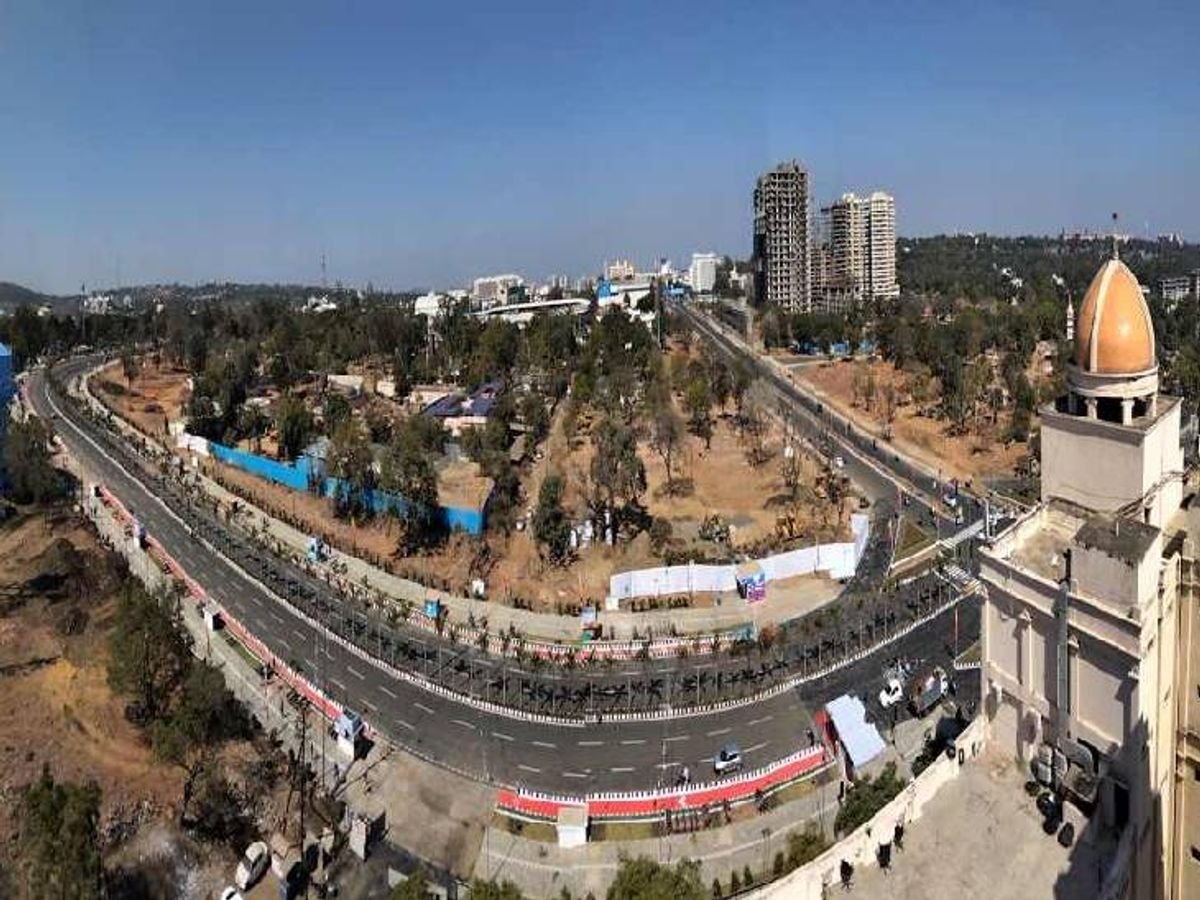
The Bhopal Smart City Ground Report exposes a troubling reality: despite nearly a decade of planning, more than ₹1000 crore in expenditure, and the loss of over 2000 trees, the city’s much-hyped smart city project has failed to deliver meaningful development. What was once promoted as a flagship initiative of modern urban transformation now lies abandoned, half-constructed, and surrounded by disillusioned residents who say they were “misled by big promises but given nothing in return.”
Located between Baan Ganga and Jawahar Chowk, the designated Smart City zone was expected to become an integrated hub of infrastructure, technology, business, education, and public services. Instead, the region resembles a barren landscape with deserted commercial units, uprooted trees, unfinished hubs, and mounting frustration among citizens.
This article provides a hybrid news + expert analysis of what went wrong — examining project execution, environmental impact, government accountability, financial leakages, and citizen responses.
📰 Section 1: What the Bhopal Smart City Project Promised
When the Smart City Mission was launched by the Central Government nearly a decade ago, Bhopal was among the cities selected in the first round, on 28 January 2016. It was a moment of pride. Citizens expected transparent governance, world-class infrastructure, digital services, smart mobility, green corridors, innovation hubs, and major employment growth.
The original promises included:
-
Knowledge Hub for education and research
-
Startup Hub to boost entrepreneurship
-
Health and Education Hub for modern public services
-
Public Address System across the zone
-
Free public Wi-Fi
-
Area-Based Development (ABD) of North and South TT Nagar
-
PPP-mode development of 333 acres
-
A self-sustaining system generating ₹6644 crore revenue
-
Green infrastructure with sustainable landscape features
These were not just ideas—they were promoted as concrete deliverables with strict deadlines.
🌍 Section 2: What the Ground Report Reveals Now
The reality in 2025 is starkly different.
✔ The Knowledge Hub?
Still incomplete; construction halted.
✔ The Startup Hub?
Abandoned buildings with locked shutters.
✔ Public Wi-Fi?
Never implemented beyond pilot testing.
✔ Public Address System?
Installed partially, not functional.
✔ PPP Development?
Industries showed no interest due to poor planning and unclear long-term vision.
✔ Commercial Spaces?
Most remain unsold or unused; those built are closed and deteriorating.
Instead of becoming a model of smart urbanization, the area has turned into:
-
A dumping ground
-
A massive deserted land bank
-
A zone of collapsed infrastructure
-
A source of public resentment
Residents who initially celebrated the smart city selection now voice frustration and distrust, calling the entire project “a grand illusion.”
🌳 Section 3: Environmental Cost — 2000+ Trees Cut
One of the most alarming findings of the Bhopal Smart City Ground Report is the scale of ecological damage.
In TT Nagar alone, more than 6000 trees existed originally—many planted by government employees living in quarters in the area. Out of these:
👉 Over 2000 trees were cut
👉 Several hundred more were damaged by construction
👉 Green cover has been permanently reduced
Environmentalists say it will take 30–40 years to restore the green balance lost in this “development push.”
Yet, despite this environmental sacrifice, the smart city outcomes remain absent.
🏗 Section 4: ₹1000 Crore Expenditure — But Where is the Development?
The Central Government stopped funding the project on 31 March 2025 after repeated extensions and unsatisfactory progress.
Before funding halted:
-
About ₹1000 crore was spent
-
Multiple contractors were rotated
-
Project blueprints changed several times
-
The corporation kept promising “visible progress soon”
But none of the major deliverables materialized.
Even today, the ground report found:
-
Half-finished roads
-
Damaged pavements
-
Broken signages
-
Waste dumped in open areas
-
Unused modern street lights
-
Deserted commercial complexes
-
Crumbling structures
-
Unclear accountability
Experts say this indicates severe mismanagement at multiple levels.
🧩 Section 5: Why Did the Project Fail? — Expert Analysis
Urban planners point to several reasons behind the Smart City failure:
1. Poor Planning
The project lacked integrated design, leading to mismatched structures and unclear utility.
2. Frequent Leadership Changes
Smart City Corporation officials changed repeatedly, breaking continuity.
3. Unclear Vision
The project tried to replicate “Western smart city models” without aligning them to Bhopal’s local needs.
4. Overestimation of PPP Attractiveness
Private developers did not find the area commercially viable.
5. Environmental Neglect
Tree cutting created public outrage, reducing support for the project.
6. Funds Mismanagement
Large sums were spent on conceptual and design-related activities while on-ground progress remained minimal.
7. Unrealistic Promises
Targets like generating ₹6644 crore through land sales were not based on actual market studies.
🧭 Section 6: Voices from the Ground — What Residents Say
The Bhopal Smart City Ground Report includes reactions from local residents:
🔹 “We were promised a smart lifestyle. All we got was dust and broken concrete.”
— Resident, TT Nagar
🔹 “Our quarters were demolished, trees were cut, and still nothing was built.”
— Former government employee
🔹 “Every time a new officer came, the plan changed. So naturally nothing was completed.”
— Local trader
🔹 “Is this what smart looks like? This looks like a ghost town.”
— College student
These voices show widespread public frustration.
📉 Section 7: Economic Impact — Losses Instead of Gains
The project was supposed to:
-
Create jobs
-
Increase tourism
-
Boost commercial activity
-
Generate municipal revenue
-
Improve standard of living
Instead:
-
Shops are empty, resulting in revenue loss
-
Construction workers lost jobs after work stopped
-
Land value dropped in promised smart zones
-
Businesses avoided setting up in TT Nagar
Urban economists say Bhopal lost a major growth opportunity due to project mismanagement.
🧠 Section 8: What Could Have Saved the Bhopal Smart City Project?
Experts suggest simple but critical corrections:
✔ Early involvement of citizens
✔ Localized urban design
✔ Fixed long-term leadership
✔ Strict contractor accountability
✔ Sustainable environmental practices
✔ Realistic revenue models
Had these steps been implemented, Bhopal could have emerged as a national success story.
🛠 Section 9: What Happens Next?
With the Central Government funding now halted, the future of Bhopal Smart City hangs in the balance.
Possible scenarios:
1. State Government Revives It
Through state funding and new project structuring.
2. PPP Reopens
If investors are convinced with revised plans.
3. Project Gets Downsized
Only essential facilities built.
4. Complete Abandonment
Worst-case scenario: the zone becomes a permanent urban wasteland.
Only decisive leadership can prevent this outcome.
🔍 Section 10: Conclusion — A Smart City in Name Only
The Bhopal Smart City Ground Report exposes one of India’s most troubling urban development failures. The city lost:
-
₹1000 crore in funding
-
2000+ trees
-
A decade of planning opportunity
-
Public trust
Despite enormous sacrifice, the promised transformation never arrived. Unless corrective action is taken quickly, Bhopal’s “Smart City” may remain one of India’s largest examples of development on paper and disappointment on ground.