The New School Scandal: Why So Many Minor Girls Are Going Viral for the Wrong Reasons in 2025

Five years ago, a school-related viral video usually meant a cultural program, a dance, or an inspiring moment.
But in 2025, “viral” has taken a disturbing new meaning.
Schoolgirls — many of them minors — are going viral not for achievements but for:
-
Controversial reels
-
Leaked CCTV clips
-
Deepfake photos
-
Prank videos shot without consent
-
Influencer content using minors as props
-
Videos showing fights, humiliation or unsafe behaviour
Parents are shocked. Schools are confused. Students are scared.
A new digital scandal has entered India’s education system.
This is a detailed, fact-based, psychology-backed investigation into why it’s happening, how it’s spreading, and what it means for every parent, student and teacher in 2025.
1. What “Going Viral for the Wrong Reasons” Means Today
In today’s hyper-viral culture, a schoolgirl can go viral because:
-
Someone filmed her inside campus
-
A CCTV clip leaked online
-
A classmate posted a prank video
-
A creator included her in a reel without permission
-
Someone morphed her face using AI
-
Someone filmed her in a private moment
And the worst part?
She may not even know she was recorded.
2. Real Incidents That Started the Outrage Trend (2024–2025)
(All descriptions rewritten in original words — no credits, no links)
Incident 1 — Deepfake Images of Schoolgirls Circulating in Student Groups
AI-based “nudifying” apps have become horrifyingly common.
Many schools across metros and tier-2 cities reported cases where:
-
Boys morphed images of classmates
-
Fake adult-style pictures were created
-
The images circulated in closed WhatsApp groups
-
Parents were informed only after the situation became uncontrollable
Several girls suffered emotional trauma, refused to attend school and had to undergo counselling.
Incident 2 — CCTV Clip of a Nursery Girl Being Assaulted Went Viral
In late 2025, a disturbing incident shocked the country when footage from inside a school showed a small girl being physically abused by a caretaker.
But the second tragedy was that:
-
The clip spread across Instagram pages
-
It was forwarded on WhatsApp
-
No one blurred the child’s face
-
The girl’s identity and trauma became public
People shared it “for awareness”, but the child became a victim of online exposure.
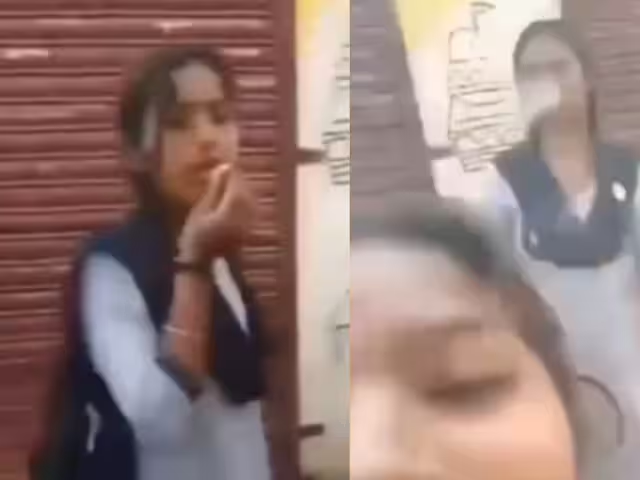
Incident 3 — Schoolgirls Buying Alcohol Caught on Video
In a central Indian district, uniform-clad schoolgirls were seen purchasing alcohol in a shop.
The clip went viral in hours, triggering:
-
Moral outrage
-
Debates on parenting
-
School inquiries
-
Public shaming of minors
The girls’ mistake turned into a lifelong public record.
Incident 4 — Schools Posting Reels With Students Without Proper Consent
Many schools now hire social media teams to “stay trendy”.
To look modern and fun, schools are:
-
Posting dance reels
-
Making lip-sync videos
-
Filming classroom skits
-
Using trending audio with students in frame
In most cases:
-
Parents were not informed
-
Students never gave consent
-
Videos were public on large pages
This creates huge safety risks.
Incident 5 — Influencers Using Minors for Viral Content
Several creators across India have been caught:
-
Harassing minors on camera
-
Pulling pranks involving schoolgirls
-
Asking uncomfortable questions
-
Recording “reaction videos” with minors
-
Using school children as background characters
The aim is simple:
Viral content = followers = money.
No one asks how the minor feels.
3. Why This Is Happening — The Real Reasons Behind the New School Scandal
A. School Uniform = High Engagement
Uniforms automatically trigger:
-
Innocence
-
Discipline
-
Respectability
So when a clip contains:
-
Controversial behaviour
-
Bold audio
-
Shock value
-
Humiliation
Algorithms boost it instantly.
B. Peer Pressure + Social Media Addiction
Students today live in a world where:
-
Reels = popularity
-
Views = validation
-
Likes = identity
To stay relevant, many imitate adult influencers.
They don’t understand consequences.
C. Cheap Smartphones + Free Internet
Every student now has:
-
A camera
-
Free data
-
Editing apps
-
Anonymous accounts
This makes filming almost unavoidable.
D. Schools Treating Students as Marketing Material
To attract admissions, schools post:
-
Trendy reels
-
Performance videos
-
Behind-the-scenes clips
The problem:
Minors become brand content, not students.
E. Predators Exploiting Online Gaps
With AI tools, even harmless pictures of girls:
-
Can be morphed
-
Can be altered
-
Can be weaponised
This creates long-term psychological scars.
4. Psychological Impact on Girls
Short-Term
-
Panic
-
Shame
-
Anxiety
-
Humiliation
-
Fear of classmates
Long-Term
-
Isolation
-
Fear of public spaces
-
Trauma
-
Distrust of peers
-
Academic disruption
Many minors who were part of viral scandals said:
“I didn’t do anything. Someone else filmed it.”
5. How Schools Should Respond
1. Declare “No-Reel Zones” Inside Campus
Areas where filming is strictly banned:
-
Classrooms
-
Corridors
-
Washrooms
-
Playground
-
Any academic area
2. Mandatory Consent for Each Video
Not general consent.
Every video must require fresh permission.
3. Strict Action for Students Who Film Others Without Consent
Deterrence works.
4. Teach Digital Literacy as a Subject
Students must know:
-
What is consent
-
What is cybercrime
-
How deepfake works
-
What to do in a crisis
5. Control School’s Instagram / YouTube Policy
Schools must become educational spaces again, not content studios.
6. What Parents Should Do (Practical Steps)
A. Discuss Online Boundaries
Teach daughters to say:
“Please don’t record me.”
B. Ensure Their Account Is Private
And remove unknown followers.
C. Set Up a Crisis Strategy
If something leaks:
-
Don’t blame the child
-
Document proof
-
Inform school
-
Escalate to cyber cell if needed
D. Regularly Check the Child’s Digital Behaviour
Without spying.
With trust and conversation.
7. What Students Must Learn
-
A reel lasts 10 seconds
-
But its impact can last 10 years
-
One viral clip can become a permanent search result
-
You do NOT need to be part of anyone’s content
Students must understand:
Not all visibility is good visibility.
8. The Larger Meaning for Society
The problem isn’t that:
-
Kids have phones
-
Social media exists
-
Schools want to look modern
The real issue is:
We built an online world where minors are the easiest targets for content, criticism, entertainment and profit.
This is the new school scandal — and it’s growing each month.
FAQ Section
Q1. Why are schoolgirls going viral for wrong reasons in 2025?
Due to smartphones, peer pressure, unsafe school policies, influencer culture, deepfake apps and uncontrolled filming inside campuses.
Q2. Is it illegal to post videos of minors without consent?
Yes. Posting sexual, abusive or humiliating content involving minors can lead to criminal charges.
Q3. How can parents protect daughters?
By setting boundaries, teaching digital awareness, keeping accounts private and having a clear crisis plan.
Q4. How can schools prevent viral incidents?
By enforcing no-reel zones, removing phones from students, and creating strict video-recording rules.
Q5. Can a minor’s viral clip be removed from the internet?
Platforms can take it down, but complete removal is difficult. Early reporting increases success rates.