Is Caste Polarization Back in 2025? Why Social Media Debates Exploded Before Elections

A Familiar Storm Is Returning
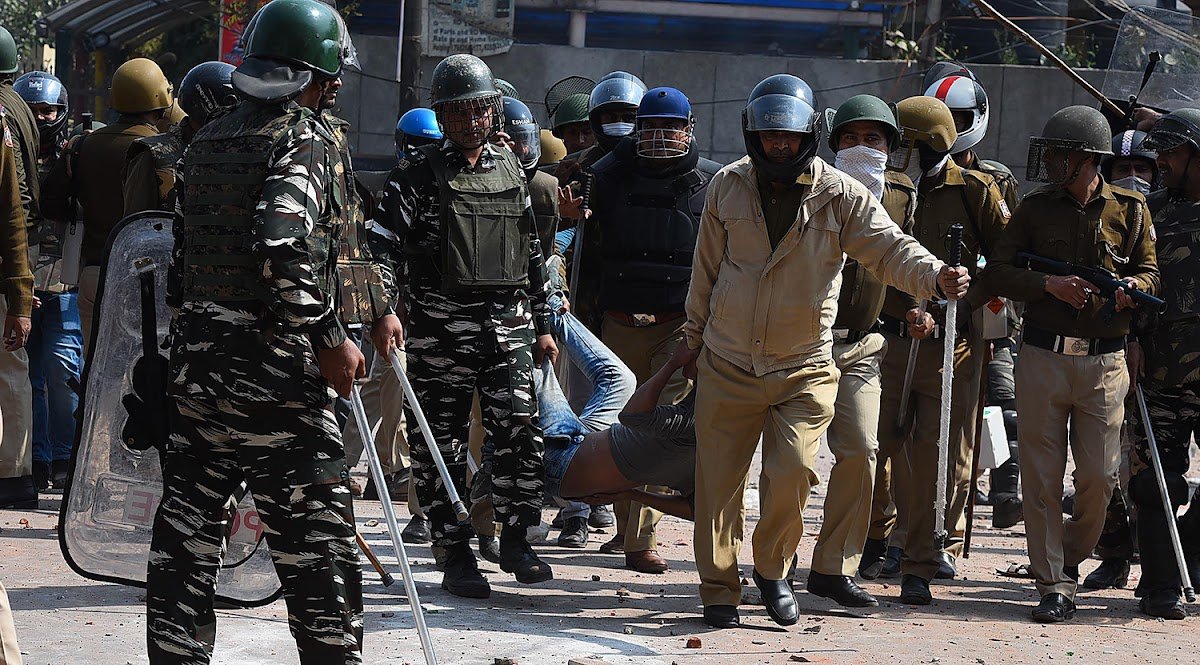
India’s political landscape appears to be entering a familiar zone again—caste polarization. Over the last six months, platforms like X (Twitter), Instagram Reels, and YouTube Shorts have witnessed a sharp rise in caste-related content and heated debates.
From trending hashtags on OBC census, to viral videos highlighting caste discrimination cases, to political speeches targeting specific castes—there is a visible spike that coincides exactly with the pre-election cycle in states like Bihar, Uttar Pradesh, Maharashtra, and Haryana.
Experts warn this is not a coincidence but a strategic political reactivation.
1. The Trigger: Why Caste Debates Started Spiking in the Last 6 Months
A. The Bihar Caste Survey — A National Ripple
The publication of the Bihar Caste Survey (October 2024) created a national political earthquake.
Key numbers—
-
OBC + EBC population: 63%,
-
SC population: 19.7%,
-
Upper castes: about 15.5%
Political leaders like Tejashwi Yadav, Nitish Kumar, and Congress leaders pushed the narrative for a nationwide caste census.
This instantly sparked:
-
caste-based memes,
-
community assertion videos,
-
polarizing debates around reservation.
B. The Supreme Court Hearing on Reservation Policies (2025)
In early 2025, when the Supreme Court agreed to review multiple petitions related to EWS reservation and OBC sub-categorization, social media activists from all sides ignited digital campaigns.
C. Political Statements Pour Fuel
Recent political statements also added fire:
-
Akhilesh Yadav accusing the Centre of “hiding real caste numbers”.
-
JP Nadda saying the BJP supports “social justice but not caste division”.
-
Rahul Gandhi again reviving the “Jitni Abadi Utna Haq” slogan.
These statements went viral, generating millions of impressions.
2. Social Media Outrage Economy: How Algorithms Fueled Caste Polarization
A. Outrage = High Engagement = More Reach
Social platforms have learned one thing clearly:
Nothing drives engagement like conflict.
Caste debates:
-
provoke emotional responses,
-
have strong identity-based triggers,
-
create tribal group loyalty,
-
encourage mass participation,
-
and generate continuous comment-war activity.
This is why hashtags like:
-
#CasteCensusNow
-
#OBCReservation
-
#DalitLivesMatterIndia
-
#SavarnaOppression
-
#StopCastePolitics
started trending repeatedly on X.
B. The Rise of “Identity Influencers”
New-age influencers—especially on YouTube Shorts and Instagram—are producing short, aggressive, identity-driven content.
Creators like:
-
Fauji Nitin (known for OBC rights videos),
-
Sagar Rathee,
-
Anurag Dhobal,
-
emerging Dalit-rights channels in Maharashtra and UP
have contributed massively to the conversation.
C. TikTok-Style Content Makes It Worse
In 2025, the rise of Indian TikTok alternatives like Chingari, Moj, Josh led to viral caste slogans, edited speeches, and emotional montages that spread rapidly among youth.
3. Political Strategy: What Parties Gain from Reigniting Caste Issues
A. The Search for the ‘OBC Mega Bloc’
The 2024 Lok Sabha elections showed the enormous influence of the OBC vote bank, particularly in UP, Bihar, and MP.
Both major alliances—
-
NDA,
-
INDIA bloc
are competing to consolidate this group.
Reviving caste identity helps mobilize them.
B. Dalit Consolidation Before State Elections
States like UP (2027) and Maharashtra (2025) are witnessing parties making:
-
symbolic gestures,
-
targeted schemes,
-
statements referencing Ambedkarite ideology.
This is visible in speeches by:
-
Mayawati,
-
Chandrashekhar Azad (Aazad Samaj Party),
-
Uddhav Thackeray,
-
Devendra Fadnavis.
C. Upper-Caste Mobilization as a Counter-Movement
When OBC and Dalit mobilization increases, upper-caste groups also unite, especially around:
-
economic reservation (EWS),
-
merit discourse,
-
anti-reservation sentiments.
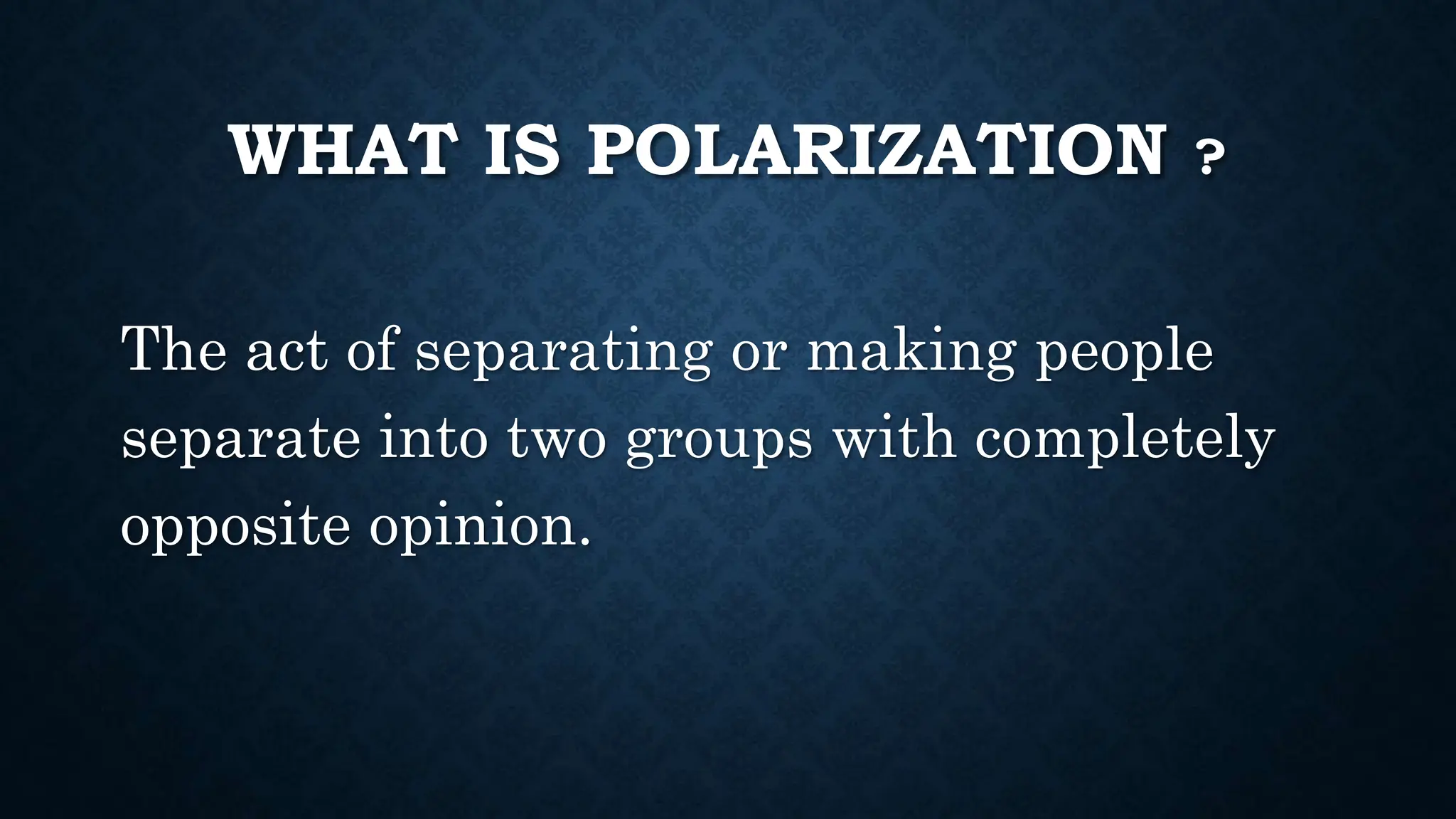
This creates a cycle of polarization.
4. Real Incidents That Triggered Online Explosions (Late 2024 – Early 2025)
These events significantly boosted social media outrage:
1. The UP School Caste Discrimination Viral Video (December 2024)
A teacher in Hardoi, Uttar Pradesh was accused of segregating lunch plates based on caste—leading to national outrage.
2. Maharashtra’s Anti-Reservation Protests (Jan 2025)
Maratha vs OBC clashes in Jalna and Beed once again led to confrontations and emotional videos.
3. Rajasthan Student Suicide Case (August 2024)
A Dalit student’s suicide in Kota sparked massive protests and #Justice hashtags.
4. Karnataka’s Internal OBC Category Debate (2025)
The Congress government’s decision to review OBC category restructuring caused political storms.
5. The Role of Deepfakes & Edited Clips in Escalating Tensions
The Indian Cybercrime Coordination Centre (I4C) reported an increase in AI-generated political misinformation since October 2024.
Fake videos included:
-
politicians making casteist remarks,
-
edited rally speeches,
-
manipulated historical clips.
Even major leaders like PM Narendra Modi, Mallikarjun Kharge, Akhilesh Yadav, and Mayawati have been targeted with doctored content circulated by rival groups.
This makes the caste debate more volatile and irreversible.
6. Youth Participation: Why Gen-Z Is More Vocal About Caste in 2025
A new phenomenon:
Urban Gen-Z youth, who earlier avoided caste-based identity discourse, are now vocal about:
-
reservation fairness,
-
discrimination cases in colleges,
-
historical injustice,
-
equality vs representation debates.
This is driven by:
-
campus politics (JNU, DU, Hyderabad University, BHU),
-
influencers simplifying arguments,
-
short-form video content.
7. What This Means for the Upcoming Election Season
A. Expect more targeted messaging
Parties will highlight:
-
caste identity,
-
caste heroes,
-
historical narratives.
B. More community-specific welfare schemes
Especially in UP, Bihar, Maharashtra, MP.
C. More digital polarization
Social media will not slow down—political bots increase activity during elections.
D. Voters will be emotionally influenced
Political scientists note that caste polarization leads to:
-
predictable vote blocs,
-
reduced ideological voting,
-
increased social tension.
E. New legal challenges
ECI and Supreme Court may need to intervene if misinformation spreads faster.
Conclusion: Caste Polarization Has Returned — But Digitally Amplified
Caste politics never fully vanished from India.
But in 2025, its digital resurrection is unmistakable.
With:
-
political speeches,
-
AI-driven misinformation,
-
identity influencers,
-
real caste-related incidents,
-
youth participation,
-
regional protests
all rising simultaneously, India is witnessing a pre-election caste faultline sharper than in the last 10 years.
The question now isn’t “Is caste polarization back?”
It is “How far will it go before the elections decide the narrative?”